

WE CREATE COMMUNITY - MULTI-AGE EDUCATION
The Multi-Age Classroom
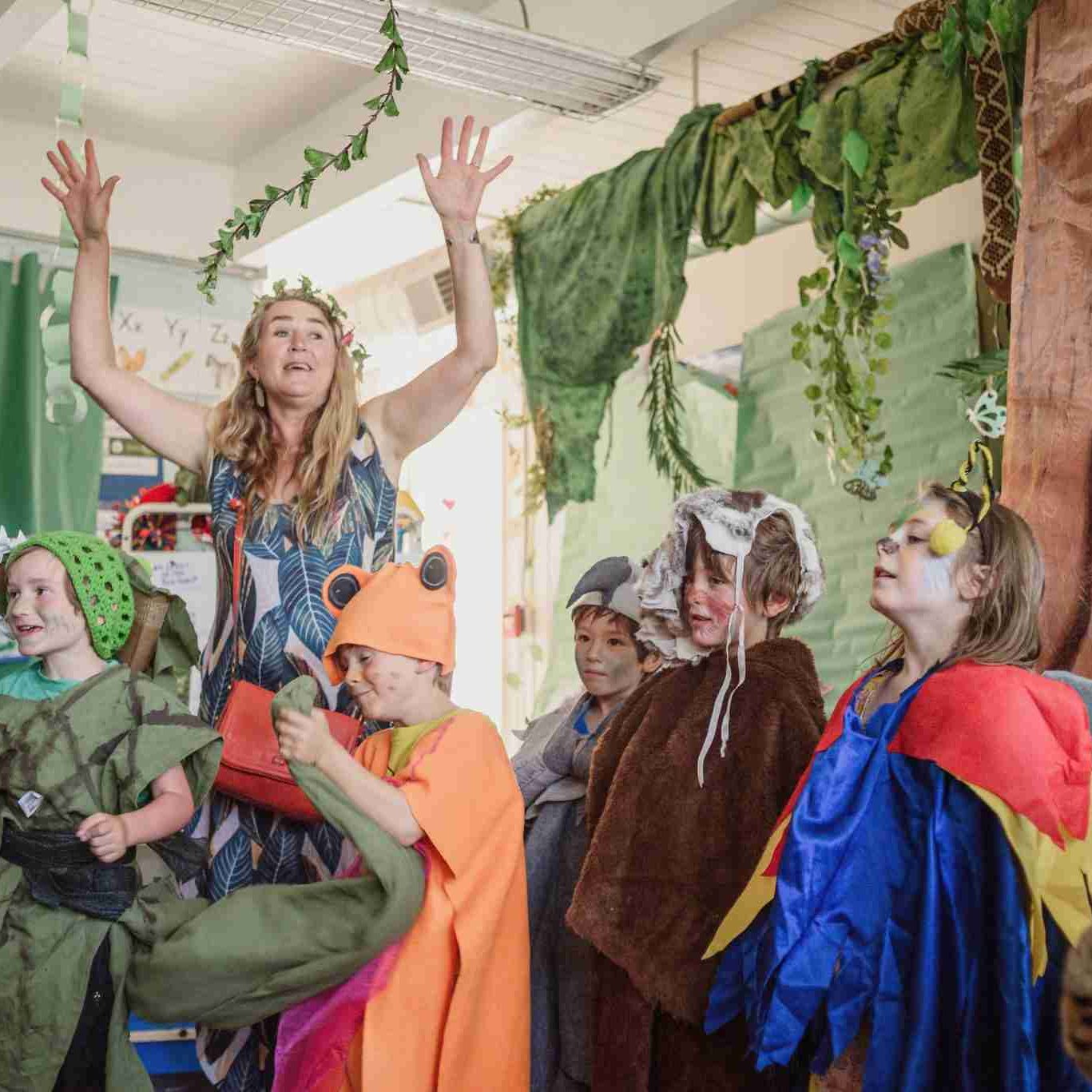
RVC classrooms are taught in grade spans, typically TK or TK/K/1, K/1, 2nd/3rd, and 4th/5th. Students often stay with the same teacher for two years, though not always. Even when the teacher changes, the multi-age model still offers important benefits. Because students learn in mixed-age communities, they have the opportunity to build relationships across grade levels, learn from one another, and become part of a classroom culture that extends beyond a single year.
One of the strengths of the multi-age classroom is that students often share classmates across multiple years, even when the teacher or exact class configuration changes. This continuity helps create a strong sense of belonging and community, while also making transitions from year to year feel more familiar.
Strong Relationships and Continuity
RVC gives students the gift of time. When students do stay with the same teacher for a second year, they are able to begin right where they left off, without needing as much of a “getting to know you” period. Teachers already know their students well academically, socially, and emotionally, which can make that second year especially productive and supportive.
At the same time, even when students move to a different teacher, they often continue with familiar classmates and within a familiar multi-age structure. That continuity helps create stability, reduces some of the anxiety that can come with transitions, and strengthens the overall sense of community.
Mentorship
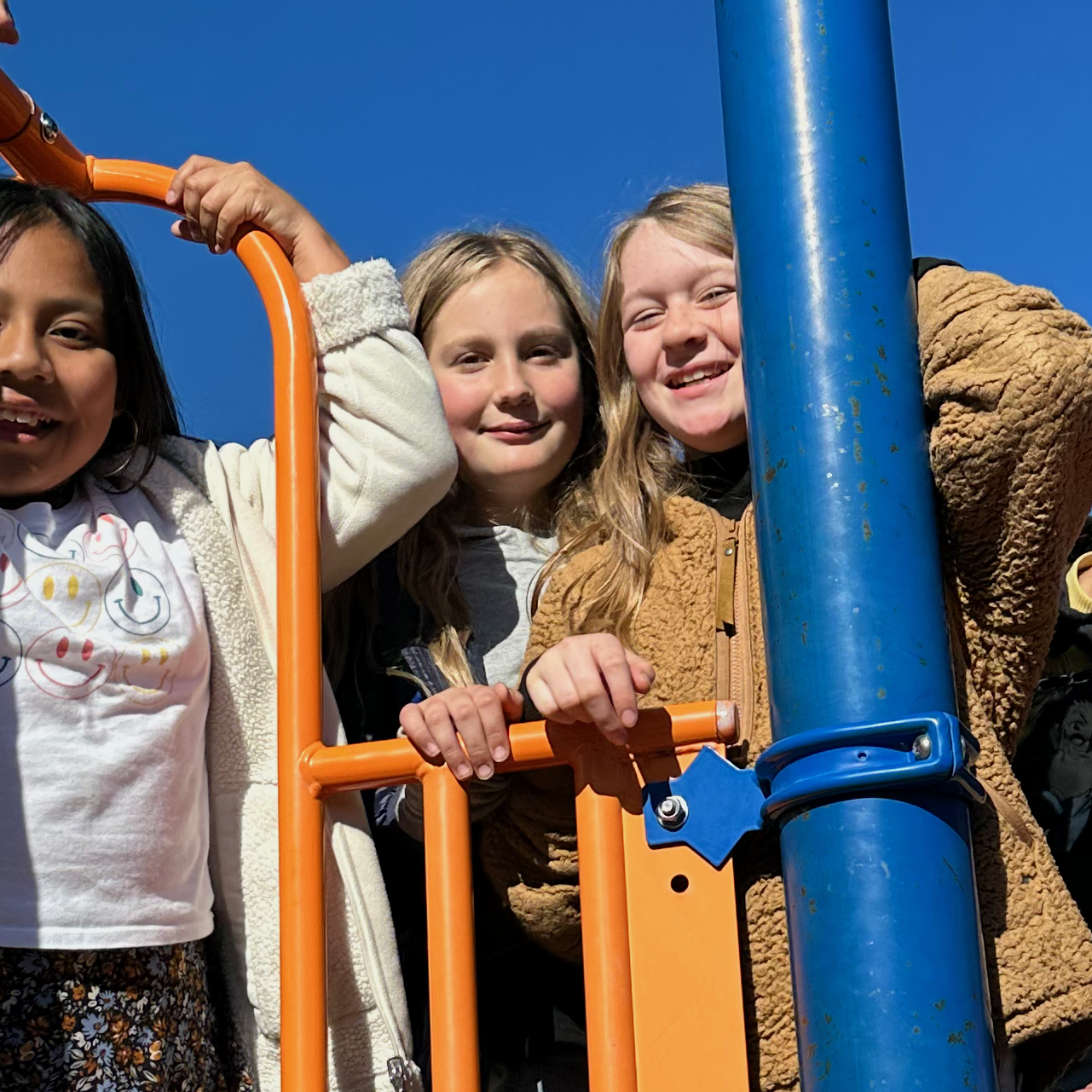
Students in multi-age classrooms have regular opportunities to be both learners and leaders. Younger students benefit from seeing what is possible as they learn alongside more experienced classmates. Older students strengthen their own understanding by modeling behavior, welcoming younger peers, and offering help when needed.
Teachers encourage students to look to one another as resources, which helps put more ownership of learning into students’ hands. Over time, children become comfortable supporting each other, asking questions, and contributing to a classroom culture where learning is shared.
Natural Growth Over Time
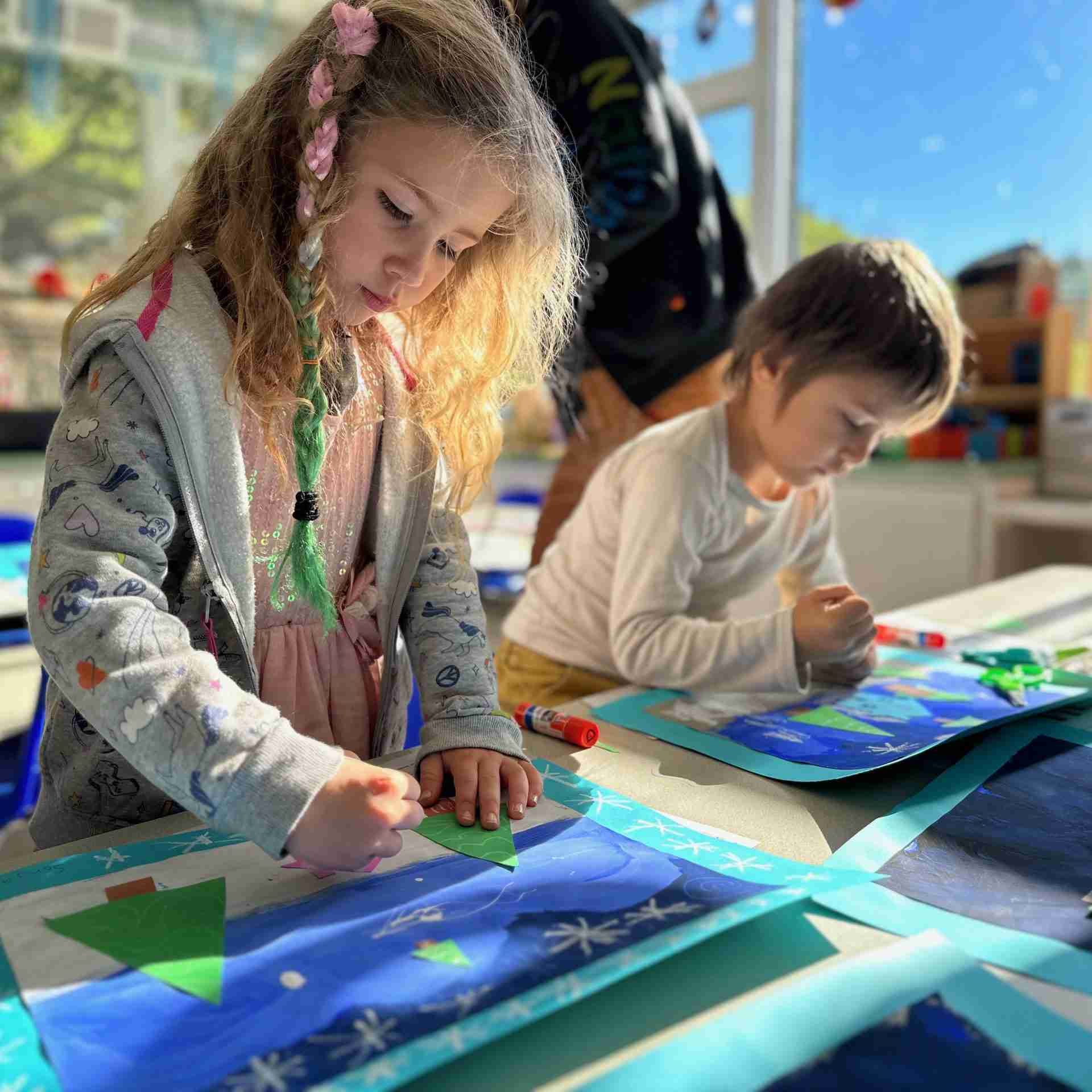
RVC students become adept at learning in a community where children are working at many different levels and developing at different paces. This experience helps students build respect for individual growth and a broader understanding of learning as a process rather than a competition.
Students can look ahead and see what more experienced classmates are able to do, while also recognizing how far they themselves have come. That perspective often builds confidence, patience, and motivation. There also tends to be less competition than in a single-grade classroom.
Differentiated Learning
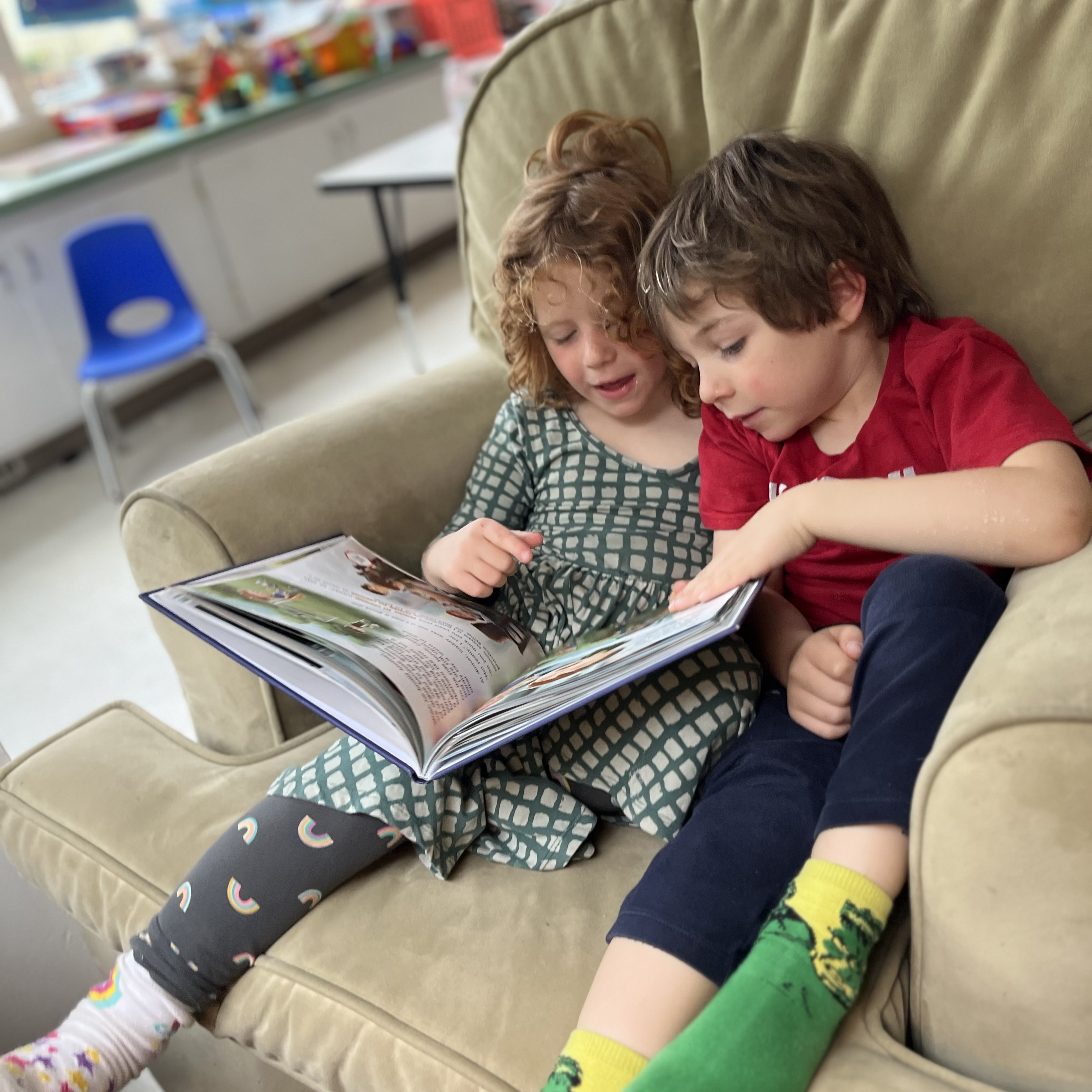
Teachers continually assess and monitor student progress in all academic areas. Because the range of abilities in a multi-age classroom is broad, teachers adapt instruction and expectations to meet students where they are, provide extra support when needed, and offer additional challenge when students are ready.
Math is taught as a single-grade subject in second through fifth grade. This allows teachers to focus on grade-level standards while still differentiating for a range of abilities.
Upon graduation, RVC students are academically prepared for middle school, have experience collaborating and taking initiative, and develop a positive attitude toward learning.

"My favorite part of multi-age is developing a deep and meaningful relationship with my students and their families. The children experience significant academic and social/emotional growth, particularly in the second year, because they feel so safe and comfortable."
- Emily Belo, 2/3 Classroom Teacher

